Problem-led configuration, not a one-paver brochure
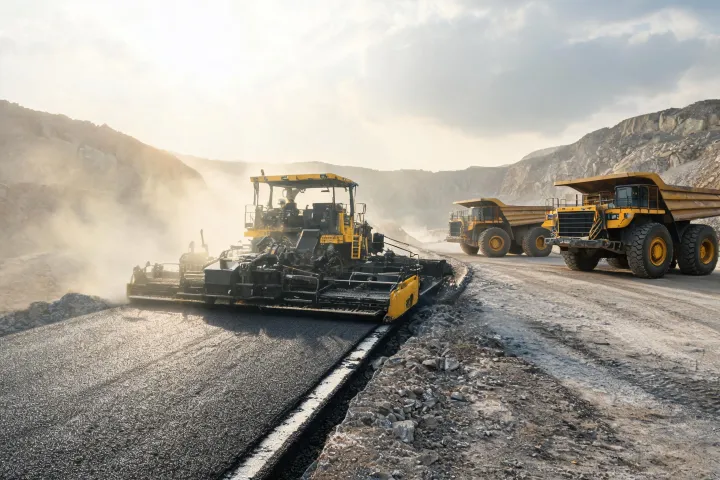
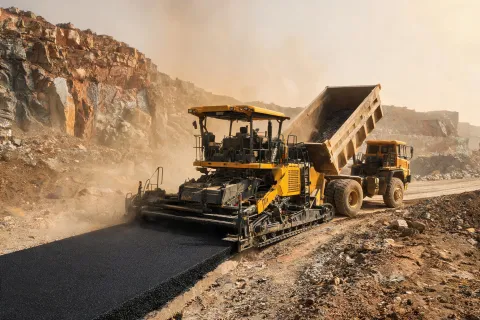
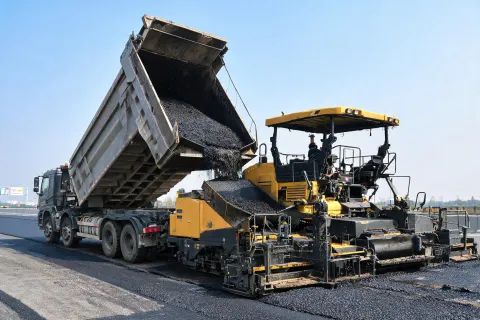
When a mine planner calls about washboard haul roads, we do not lead with a catalog page. We ask about daily tonnage, abrasive aggregate, gradeability and whether the night window allows an MTV. That conversation usually lands a tracked paver with heavy hopper flights and abrasive screed plates, plus a parts staging plan before the wet season hits conveyor chains.
"Give us the failure mode on the mat — we will give you the iron combination that stops repeating it." — Vögele Applications Desk
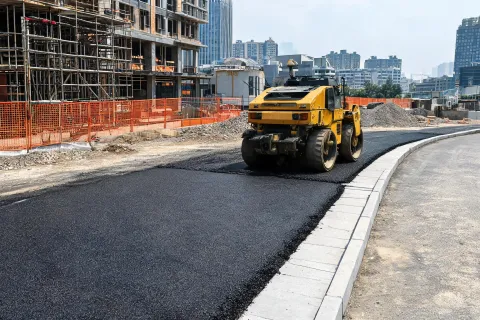
Highway authorities wrestling with density on thin wearing courses get a different package: electric-heat zone control, tighter paving-speed envelopes and roller-train pairing notes so the breakdown unit stays inside the temperature window. Building contractors on short access roads often need wheeled compactness more than maximum screed width — curb returns matter more than theoretical output capacity.
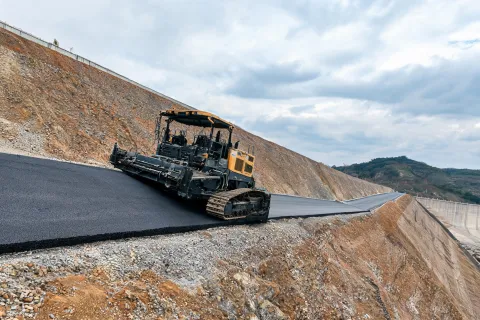
Waterworks and dam access crews face silt, steep grades and seasonal downtime. For them we emphasize track shoe width, hydraulic cleanliness sampling after flood exposure and a rebuild kit that sits in the site container before the next pour season — not after the first conveyor seizure.